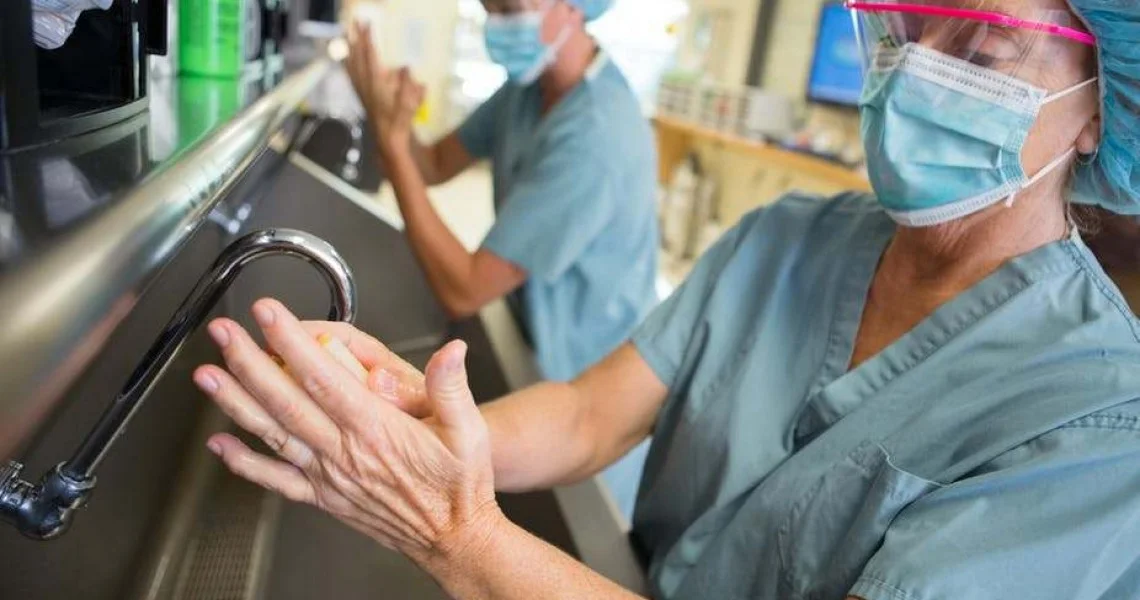
WATER ISN'T COMPLETE UNLESS, CONSUMED WITH COPPER
நீர் நிறை ஆகாது அன்றோ தாமிரத்தில் பருகாத வரை

12 Major Interesting Facts about Copper

  1. The Romans gave copper its name. They called it “aes cyprium” (ore from Cyprus) because in ancient times most of the copper came from Cyprus. The word was later modified to “cuprum” from which we derive our modern-day “copper”.
  2. Copper is an essential element of human nutrition. The mineral is critical for blood cell formation and is found in many foods and most water supplies. Thus the element is essential to our everyday lives.
  3. Copper deficiency could lead to more serious health problems.  Some of them are anemia, bone abnormalities, heart circulation problems, and complications in the lungs, thyroid, kidneys, pancreas, nervous system, and immune system.
  4. Copper’s excellent conductivity makes it highly useful in medicine. Copper coating on a surgeon’s scalpel conducts electricity to heat the blade, making it self-cauterizing. This is key to controlling bleeding during operations and when removing damaged tissue.
  5. Copper is vital to our health from foetal development right through to old age. We need copper for blood vessel formation, a healthy heart, and for stabilizing the collagen, or connective tissue, which binds one part of the body to another. Copper is also needed for brain development and effective communication between nerve cells in the brain, as well as for healthy bones and teeth.
  6. Copper is used in wiring (60 percent of all copper used), plumbing, electronics, building construction, cookware, coins, and a host of other products.
  7. The average car contains up to 22.5 kg of copper. Copper electrical and electronic components enable intelligent engine and gear management, and extensive sensor and infotainment systems.
  8. High-speed trains contain about 20 tonnes of copper-containing components, mainly in the voltage transformers and drive motors.
  9. Copper is a natural antibacterial agent. It is common to use brass door handles in public buildings (brass is a copper alloy) because they help prevent disease transmission.
  10. Most printed circuit boards for electronic products are made by laminating a sheet of copper onto a flexible film, then etching away much of the copper to leave thin lines that carry current.
  11. Nearly 80 percent of the copper that has been mined to date is still in use. Copper is a 100 percent recyclable metal.
  12. The Statue of Liberty in New York has more than 80 tons of copper.  The mined elements came from Norway and then French artisans fabricated the material.

How To Keep Your Copper Vessels Sparkly Clean

If you have just purchased a copper water bottle or any utensil, you better be prepared to take extra care to keep it clean and shiny. Oxidation – a natural process that causes the copper to react with the oxygen in the air around it, will slowly turn the bottle black. In order to keep your bottle looking good as new and of course, clean, there are simple things you can do at home.

For a healthy living, going natural is the best way. You have taken the first step towards that by bringing home a copper bottle! The next steps are easy.

There are several natural ways to clean a copper vessel/bottle. And the best part is that you probably already have the ‘magic natural dishwasher’ at home!

NATURAL CLEANING SOLUTIONS FOR COPPER VESSELS

  • Make a solution of 50ml water and some Tamarind Juice. Add rock salt to the mix and your cleaning liquid is ready! Rub this using a soft sponge over the vessel and rinse thoroughly. Voila! Your vessel is clean and ready to use. In case you don’t have tamarind at home, use lemon juice instead.
  • To clean the insides of a bottle, pour the freshly prepared cleaning liquid into the bottle. Give it a couple of vigorous shakes. Then rinse the bottle thoroughly with water. Now your copper bottle is clean and good to use.
  • Another alternative for tamarind/ lemon juice in your cleaning solution is Vinegar. The acidity in vinegar is as potent as lemon juice and will clean up your copper vessel in a similar way.
  • In case your bottle has started darkening due to the effects of oxidation, no worries. Cut a lemon in half. Sprinkle salt on one of the lemon halves and scrub the affected parts directly. The salt will act as a scrub without scratching the surface of the metal.
  • For a deeper clean, make a thick paste of lemon juice and rock salt. Apply this paste to the darkened parts and leave it on for half an hour. Gently scrub it with a soft sponge (or the lemon peel) and you’ll see the blackened part shining again.
  • Baking Soda is another common kitchen ingredient that doubles up as an effective cleaning agent. Combine a teaspoon of baking soda with vinegar and use the paste to clean hard stains on your copper vessels.

CLEANING DO’s and DON’T’s

If you’ve bought a copper vessel or bottle with a lacquer coating, DO NOT SCRUB it. Rub it gently with a sponge or cotton swab and rinse it with running water.

Cleaning your copper vessels on a DAILY basis is highly recommended. Using the natural cleaning solutions suggested above will make sure they are in top condition and ready to use always.

If you are using a copper water bottle, wash it at least ONCE EVERY 48 HOURS to reap the best benefits.

You can use regular STORE-BOUGHT DISHWASHER only on Copper-Steel products. For products that are made purely from Copper, use the natural cleaning solution suggested above. It is not advisable to use chemical-based cleaners on pure copper products.

Once you have washed your copper vessels, DRY THEM THOROUGHLY using a soft cotton cloth. This will prevent stains left behind by dripping water and make sure your vessels look as good as new.

Before using any vessels bought from a store, make sure to wash and dry them. Using vessels directly after unpackaging is NOT A GOOD PRACTICE.

Copper boosts pig growth, and now we know why

Pigs have better feed conversion rates with copper in their diets, but until now, scientists didn’t fully understand why. Existing research from the University of Illinois shows copper doesn’t change fat and energy absorption from the diet. Instead, according to new research, the element seems to enhance pigs’ ability to utilize fat after absorption, resulting in increased energy utilization of the entire diet.

“Our results indicate copper hydroxychloride is enhancing metabolism of fat, and that’s how the pigs get more energy. And that, we believe, can explain why pigs have better feed conversion rates when we feed this copper source in the diets,” says Hans H. Stein, professor in the Department of Animal Sciences at Illinois and co-author of a new study in the Journal of Animal Science.

In the study, Stein and his collaborators fed pigs one of two diets. Both primarily contained corn, soybean meal, and distillers dried grains with solubles, but one diet (a control) contained only 20 milligrams of copper chloride per kilogram. The experimental diet was identical, except it also contained 150 milligrams of copper hydroxychloride per kilogram.

Pigs consuming the experimental diet experienced greater average daily gain and gain-to-feed ratio, representing better feed conversion and economic savings for producers.

Stein’s previous work showed fat and energy digestibility didn’t change with inclusion of similar rates of copper hydroxychloride. So, to really understand copper’s effects on post-absorptive fat metabolism, the researchers evaluated gene expression in tissue samples from the pigs.

“We saw greater expression of genes involved in lipid metabolism and lipid utilization in the liver, adipose tissue, and to a lesser degree in the muscle,” Stein says. “This indicates that dietary copper may affect signaling pathways associated with lipid metabolism by improving the uptake, transport, and utilization of fatty acids.”

Copper’s ability to boost feed conversion rates is welcome news with agencies regulating antibiotics as growth promoters.

But copper isn’t necessarily a perfect workaround.

In Europe, Stein says, environmental concerns prompt copper regulation in waste streams. That’s why understanding copper’s role in pig nutrition is so important. If less copper or a different form with a smaller environmental footprint could fulfill the same biological function, producers could continue to benefit while also protecting the environment.

The article, “Effects of copper hydroxychloride on growth performance and abundance of genes involved in lipid metabolism of growing pigs,” is published in the Journal of Animal Science.

Copper is great at killing superbugs – so why don’t hospitals use it?

Fantasilandia in Chile, one of Latin America’s largest theme parks, has replaced its most frequently touched surfaces with copper to help reduce the spread of germs and protect the health of its visitors. But why? Because copper and its alloys exhibit impressive antibacterial, antiviral and anti-fungal properties.

Copper has been exploited for health purposes since ancient times. Egyptian and Babylonian soldiers would sharpen their bronze swords (an alloy of copper and tin) after a battle, and place the filings in their wounds to reduce infection and speed healing.
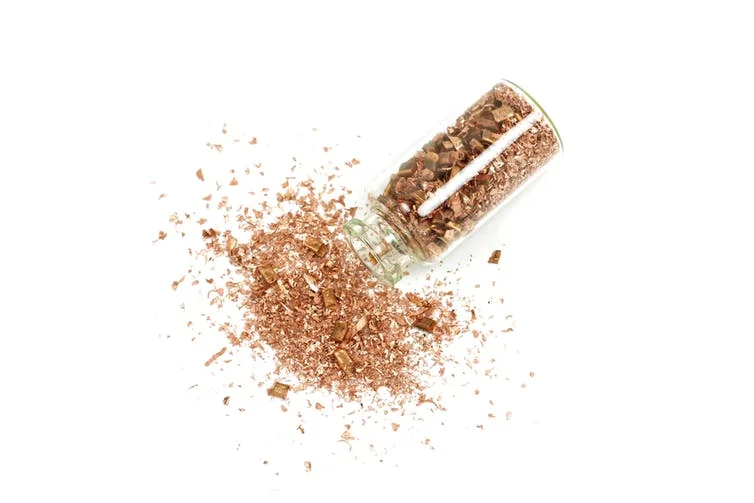
Copper was also used to cure medical problems in ancient China and India and is an important component of Ayurveda medicine today. Hippocrates in Greece and the Aztecs used copper oxide and copper carbonate, combined with other chemicals such as sodium carbonate, olive paste and honey, to treat skin infections Copper workers in Paris were protected from several cholera epidemics and French wineries even applied copper sulphate and slaked lime, called Bordeaux mixture, to vines to prevent fungal attack.

Copper is amazing But only now does our research describe how copper and its alloys exhibit these impressive properties  and the processes involved. The process involves the release of copper ions (electrically charged particles) when microbes, transferred by touching, sneezing or vomiting, land on the copper surface. The ions prevent cell respiration, punch holes in the bacterial cell membrane or disrupt the viral coat, and destroy the DNA and RNA inside.

This latter property is important as it means that no mutation can occur – preventing the microbe from developing resistance to copper. Global concern is growing over antimicrobial resistance and the risk of death that it presents from common infections in even minor operations. Therefore, it is fortunate that copper alloys kill superbugs, including MRSA and those from the notorious ESKAPE group of pathogens – the leading cause of hospital-acquired infections.

Transfer of antibiotic resistance genes from resistant bacteria to other bacteria is also stopped because the genes themselves are destroyed. These destructive properties are enhanced by the bacteria since they release small amounts of hydrogen peroxide. This reacts with the copper ions to form ferociously reactive oxygen, which also attacks and damages the microbes in multiple areas.

All of these laboratory studies have been translated into the healthcare environment. Studies worldwide have shown that, with routine cleaning, when copper alloy is used on regularly touched surfaces in busy wards and intensive care units, there is up to a 90% reduction in the numbers of live bacteria on their surfaces. This includes bed rails, chair arms, call buttons, over-bed tables, IV poles, taps and door handles.

Studies in three hospital intensive care units in the US also showed a remarkable 58% reduction in infection rates. So, unsurprisingly, copper alloy touch surfaces are now being deployed worldwide in airports, trains, train stations, busses, restaurant kitchens and gyms. The new Francis Crick Institute in London is kitted out in copper alloys, supporting its foresight and vision as a world-leading research centre for the public good.

Some common viruses have no vaccine available, such as the winter vomiting virus (norovirus) – the scourge of cruise ships. Others, such as influenza, mutate so rapidly that it is difficult for vaccines to keep up – and they need to be reformulated annually. Copper surfaces however wipe them out regardless of year-on-year changes in the microbes.

Why isn’t it widespread in hospitals?

So if copper is so great, you may be wondering, why don’t hospitals have more copper fittings and fixtures? Well, while some hospitals are installing copper fittings, many others are still not aware of its properties. When doctors are asked to name an antimicrobial metal used in healthcare, the most common reply is silver – but little do they know that silver does not work as an antimicrobial surface when dry – moisture needs to be present and so silver would have an antibacterial effect, like copper does, on hand rails and surfaces which have frequent hand contact.

Cost could also be a factor. Hospitals may perceive hand-gel dispensers as cheaper options, despite the fact that these gels do not all kill all microbes – including the norovirus. Yet an independent study by University of York’s Health Economics Consortium has shown that, taking the reduced costs of shorter patient stay and treatment into consideration, the payback time for installing copper fittings is only two months.

Making and installing copper fittings is no more expensive than using materials such as stainless steel which, ironically, is considered easier to keep clean due to its bright surface. However, we know that these are covered in microscopic indentations and scratches from regular wear and tear, leaving valleys for superbugs and viruses to reside in and escape cleaning procedures. Cleaning happens at best once a day, while copper works 24/7 – so it is surely an important adjunct in the fight to keep the built environment clean.

The importance of installing copper fittings has been recognised in France where various hospitals are now installing copper. Finally, at least some nations of the world are waking up to this simple approach to control infection, let’s hope others are quick to follow suit.

0
Back to Top

Search For Products

Product has been added to your cart